









Deep Dives & Explainers — Islamic Finance Guides & Resources
The Deep Dives & Explainers category is Fair Meridian's most educational content — long-form articles that go beyond surface-level explanations to give readers a genuine understanding of how Islamic finance works, why it is structured the way it is, and what the scholarly consensus says about specific financial questions.
Understanding Musharakah at a basic level takes five minutes. Understanding the scholarly differences between how different madhabs (Islamic legal schools) approach diminishing co-ownership, how AAOIFI and ISNA differ in their screening methodologies, and how the US legal system accommodates Islamic financing structures takes considerably longer. This category is for readers who want that depth.
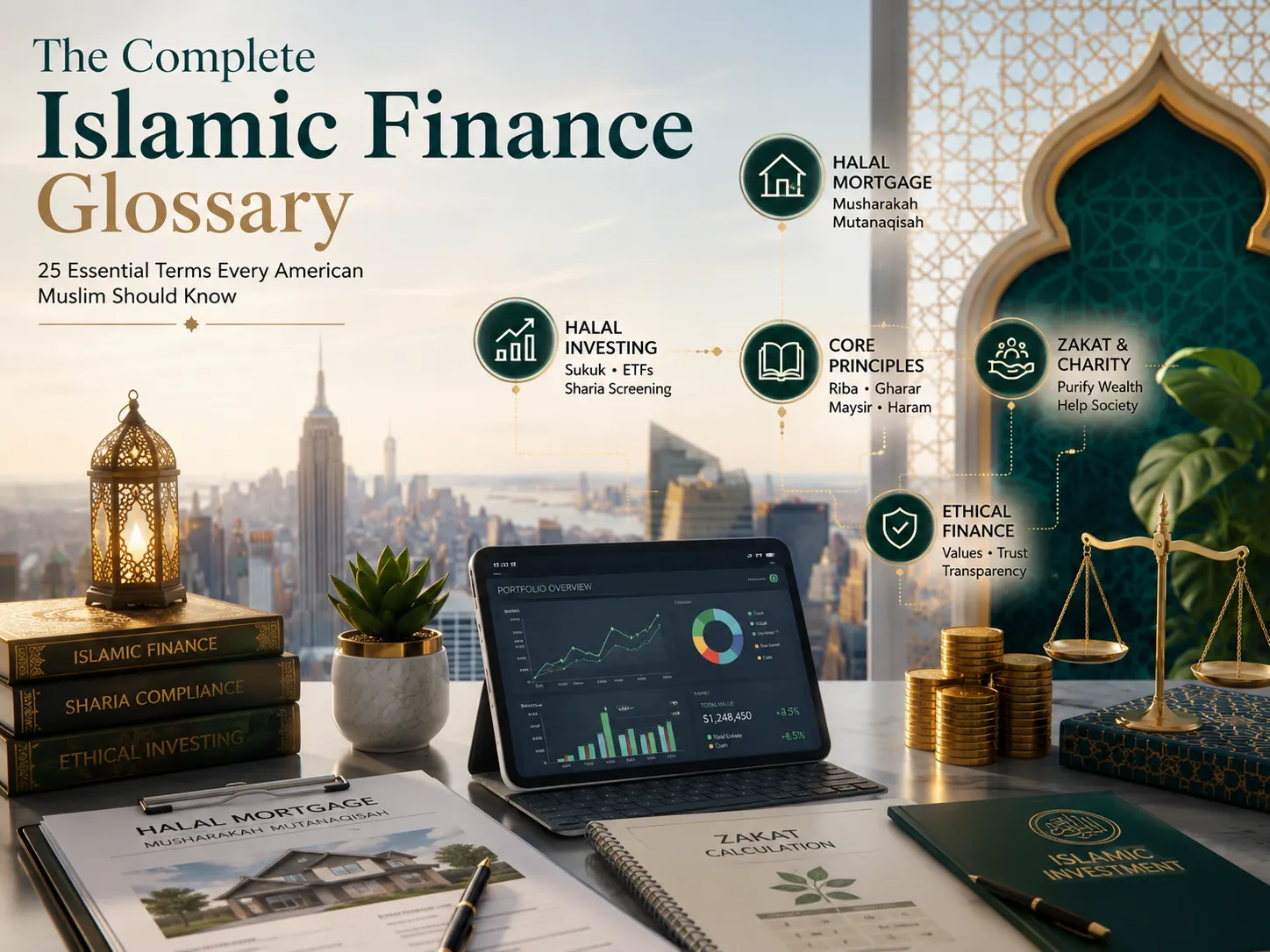
Topics in this category include: the Quranic and Hadith basis for the prohibition of riba, the difference between riba al-nasi'ah (loan interest) and riba al-fadl (commodity exchange surplus), how the Musharakah contract is structured at a legal level, the debate around LIBOR-pegged Islamic profit rates, how sukuk (Islamic bonds) work mechanically, the difference between Sharia-compliant and Sharia-based financial products, and the academic literature on whether Islamic finance truly avoids riba or merely replicates its economic effects.
This category serves Muslim Americans who take their faith seriously and want to understand the scholarly foundations of the financial choices they are making.