
Sadaqah — Voluntary Charity in Islam
Sadaqah refers to voluntary charitable giving in Islam, distinct from the obligatory annual Zakat. Where Zakat has defined rules about who must pay, how much, and which assets qualify, Sadaqah can be given in any amount, to almost any cause, at any time — making it one of the most flexible forms of worship tied to personal finance.
Fair Meridian's Sadaqah resources look at how US Muslims can integrate charitable giving into a broader financial plan, including recurring giving, Sadaqah Jariyah (ongoing charity that continues to benefit others after the giver's death), and how charitable giving interacts with tax planning, donor-advised funds, and personal budgeting.
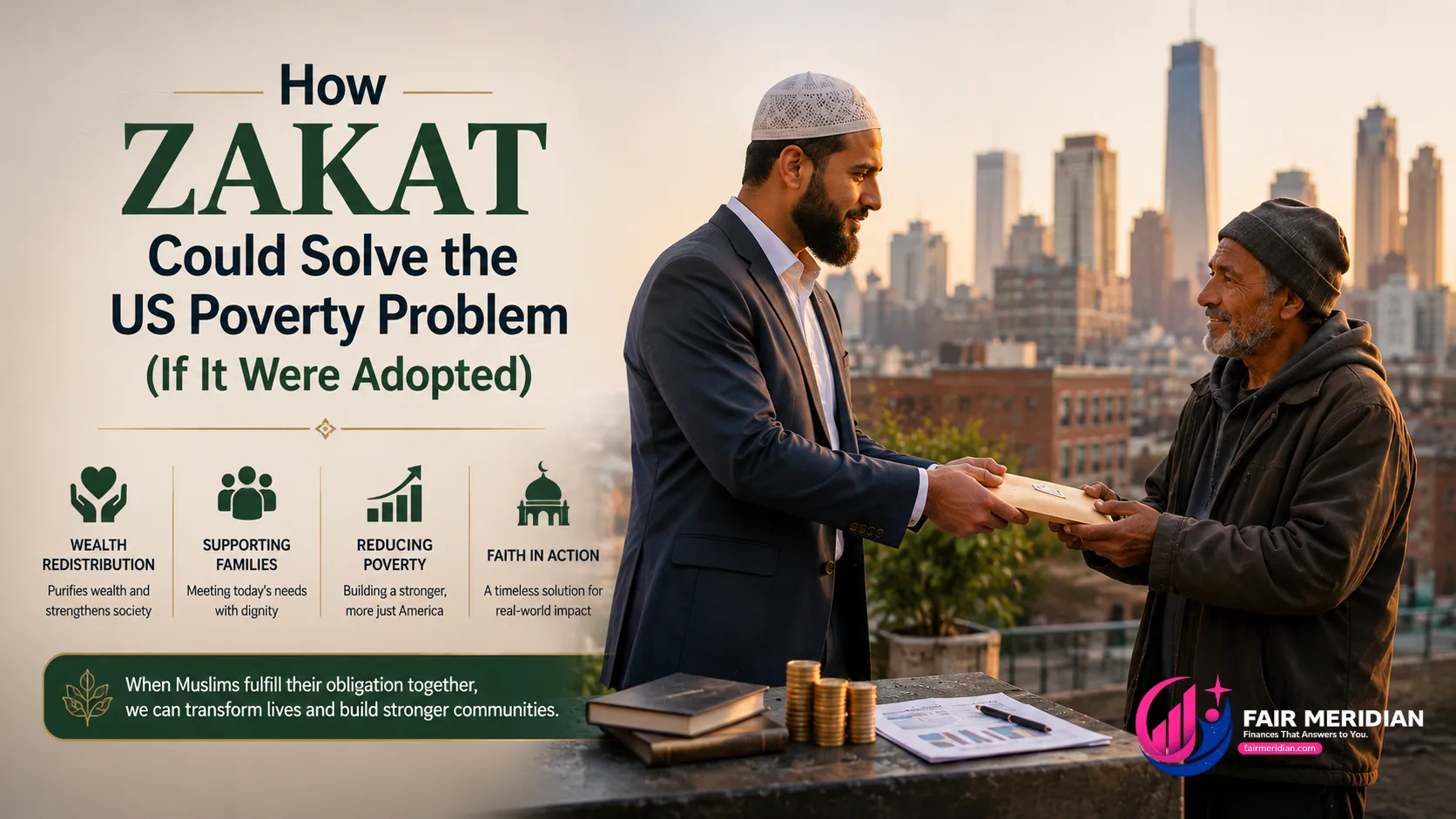
Sadaqah is often discussed alongside Zakat and Waqf as part of a complete picture of Islamic giving. Understanding the differences between these three concepts — obligatory versus voluntary, one-time versus ongoing, personal versus institutional — helps Muslims plan their charitable giving more intentionally rather than treating all giving as interchangeable.
These guides are educational resources meant to help readers think through practical charitable-giving decisions. Specific questions about religious obligation should be directed to a qualified scholar familiar with the individual's circumstances.